Watkins’s Ideas About When To Start Kindergarten
It's probably the wrong time of year to be addressing this issue, but in recent weeks I've seen a lot of five and six year-olds getting ready to start Kindergarten. Most were very excited and I was excited for them too. Also anxious. I hope they have a great experience, a wonderful, memorable year, but, like their parents, there's always the worry that a bad first experience at 'real school' will color forever their attitude about school.
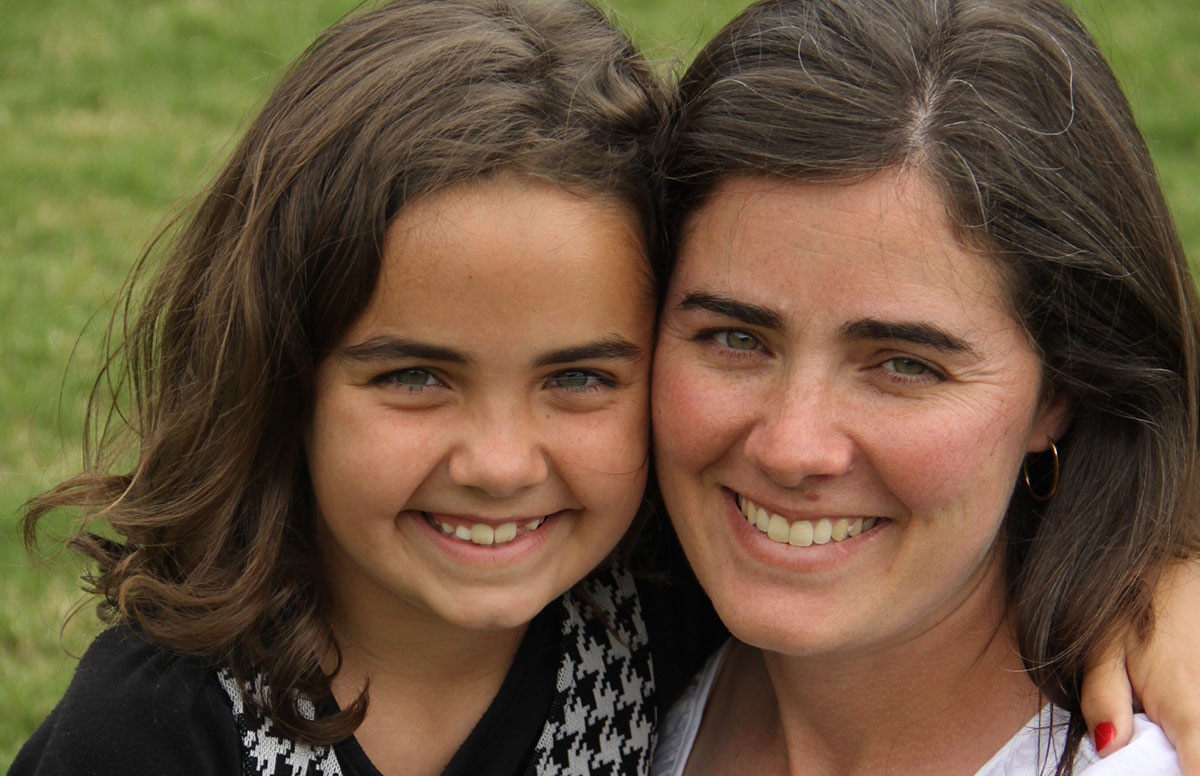
Watkins’s Ideas About Some of the Modeling We Do for Our Children
Ever wanted to be a model? You are one! Children learn, of course, from what we tell them, but so much more often, and more effectively, from how we act. I am sometimes asked how best to react when a child complains of vague and essentially non-worrisome complaints. Almost every parent hears these from time to time: stomach aches, leg pains, headaches, annoying itches or feelings of dizziness or light-headedness. All these complaints might be signs of serious illness, but more often they aren't and most of the time parents know this.
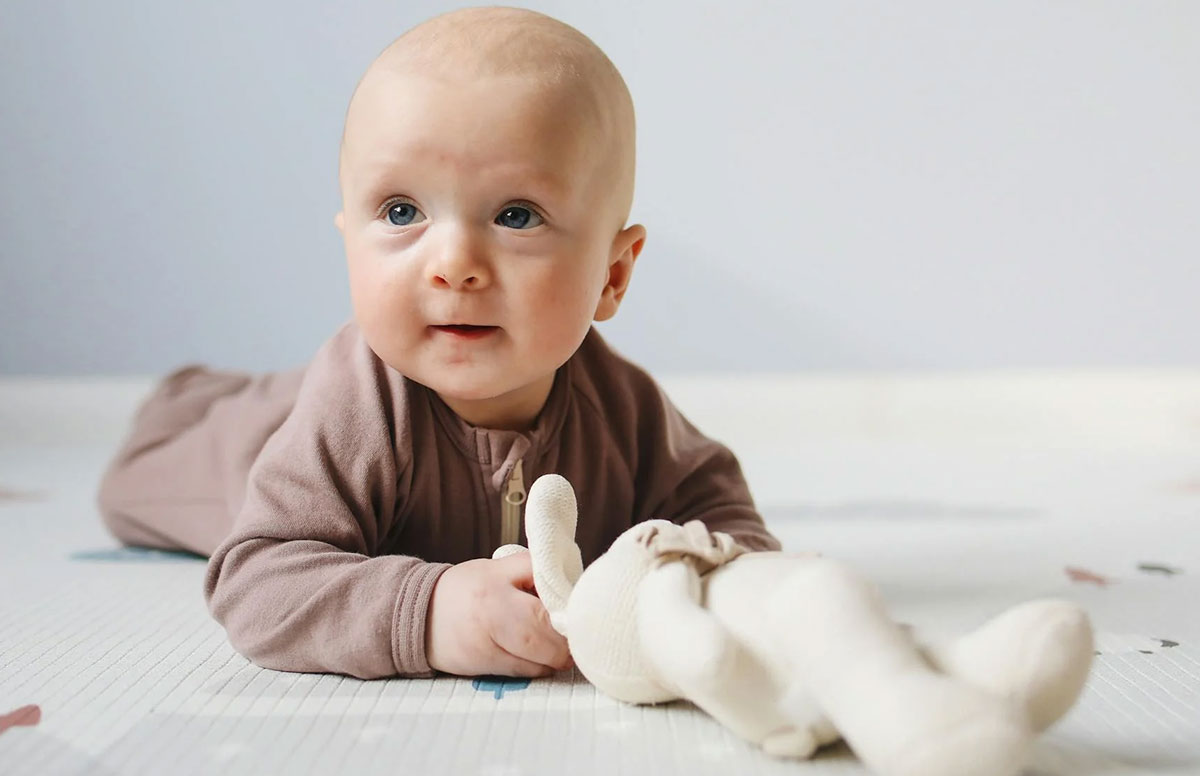
Watkins’ Ideas About Tummy Time
Work on those Abs! Disclaimer: I'm not sure if my partners will agree with me on this one, but they let me write what I like. Just don't assume they agree. In the late nineteen eighties, reports began to appear in the medical literature that Sudden Infant Death Syndrome was less common in infants that slept on their backs. This information was, at the time, mostly disregarded in the United States, as the long custom in this country was to have babies sleep on their tummies and logic seemed to suggest that that would be the safest position. Although we have known for a long time that regurgitation was not the cause of SIDS, the lack of a real answer left most of us thinking that better safe than sorry, don't risk choking, have babies sleep prone, on their tummies.
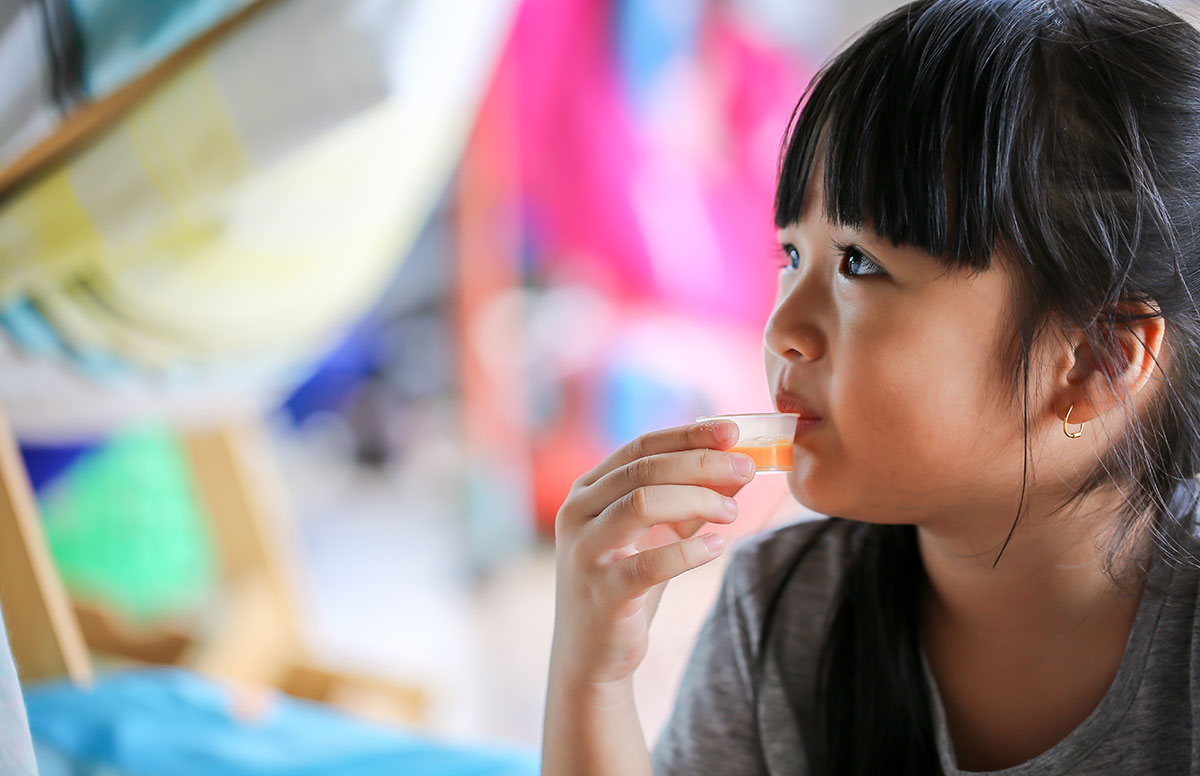
Answers about Medication for Your Child, by Robyn Lilly, CPNP-PC
What's the deal with giving kids medication? It is the middle of the night and your little one awakens you fussy and feverish. The doctor's office is closed. You just want to get a few more hours of shut eye before the sun rises. You reach into your trusty medicine cabinet to find something to help your itty bitty feel better and get some sleep. Sounds easy enough, right? Just reach into the cabinet and find some Tylenol or Ibuprofen to do the trick. But wait, it really isn't that easy.
Watkins’s Ideas About Starting Baby Foods
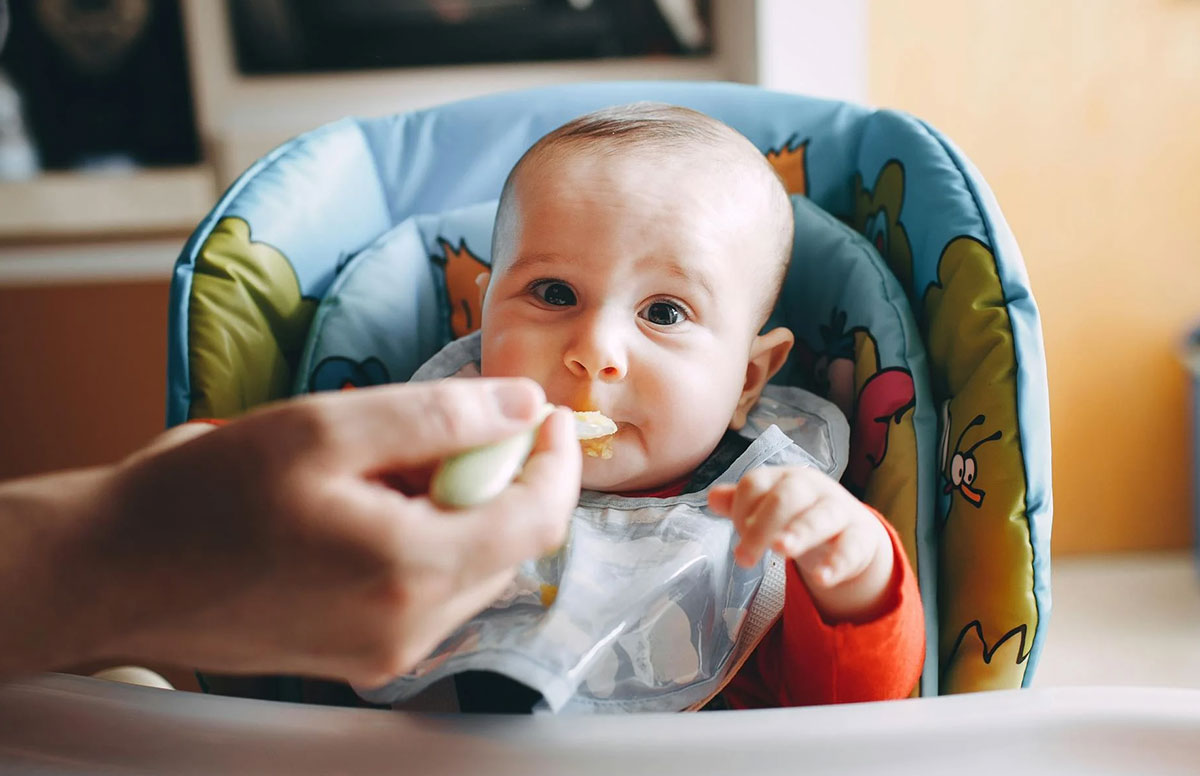
Not everybody might agree, but I think that it doesn’t matter exactly when you start solid foods: anywhere between 2 and 7 months age. Now the most natural time, based on babies’ behavior, their watching adults eat and reaching for food, is about 4-5 months old, but studies indicated that starting at an earlier age, as early as two months, or waiting until a later age like 6-7 months, has no effect. It appears that starting cereal and vegetables and fruits early, middle or late, does not affect a child’s eventual weight, height, intelligence or tendency to have food allergies.

Dr. Watkins Comments on Water for Baby
There are so many choices: distilled water, spring water, deionized water, filtered water, boiled water, Italian water, French water, Arkansas water, fluoridated water, tap water and even 'baby water'. What do choose for your children? What is safe, what is optimal? The easy answer to this question is tap water and also, in most cases, probably the best answer. The water system in Dallas and the Dallas area is very safe and has an excellent record for reliability. Buying bottled water has not been shown to be safer by any research, though there are arguments in its favor.
Dr. Watkins Has Ideas About Pigeon’s Toes
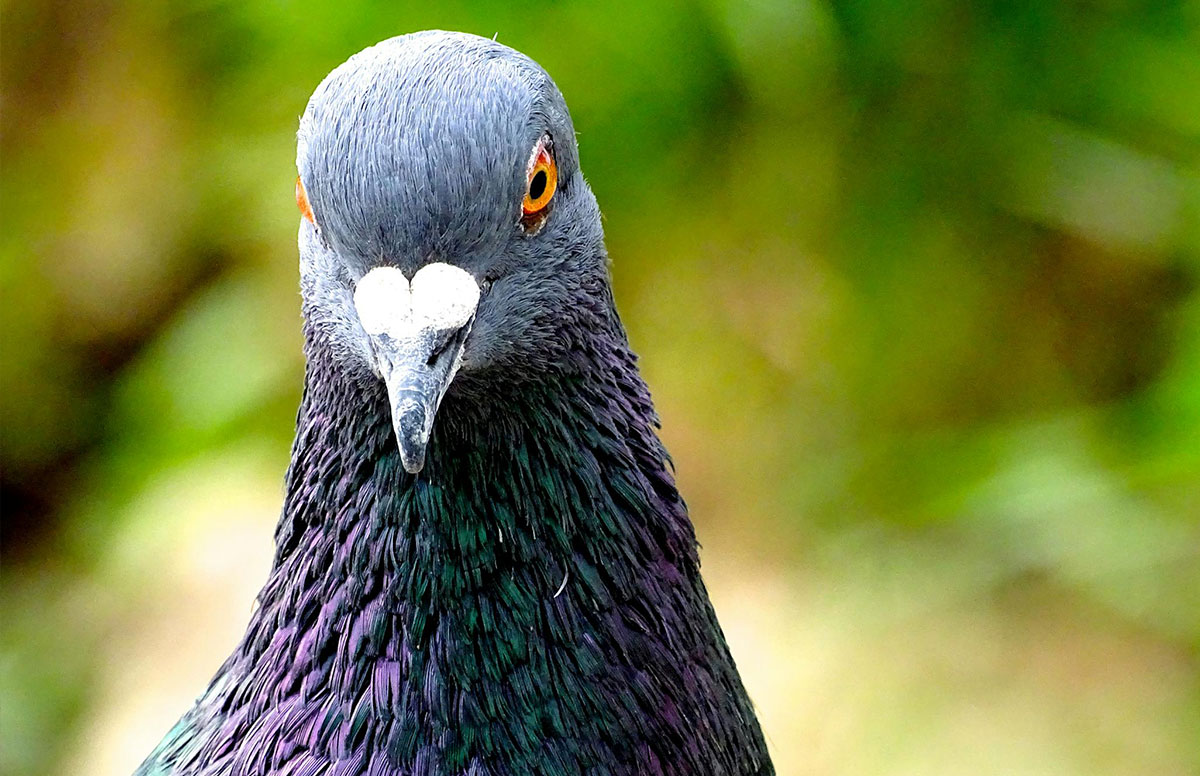
First of all, I think pigeons, though pretty foul fowl, don't actually have toes and their feet point more or less straight ahead, not inward. The title of the blog might better be called: "Toeing In." Many infants toe in; their toes point inward toward each other. Fortunately, this us usually self limited and goes away by preschool age without any treatment.
POD Squad
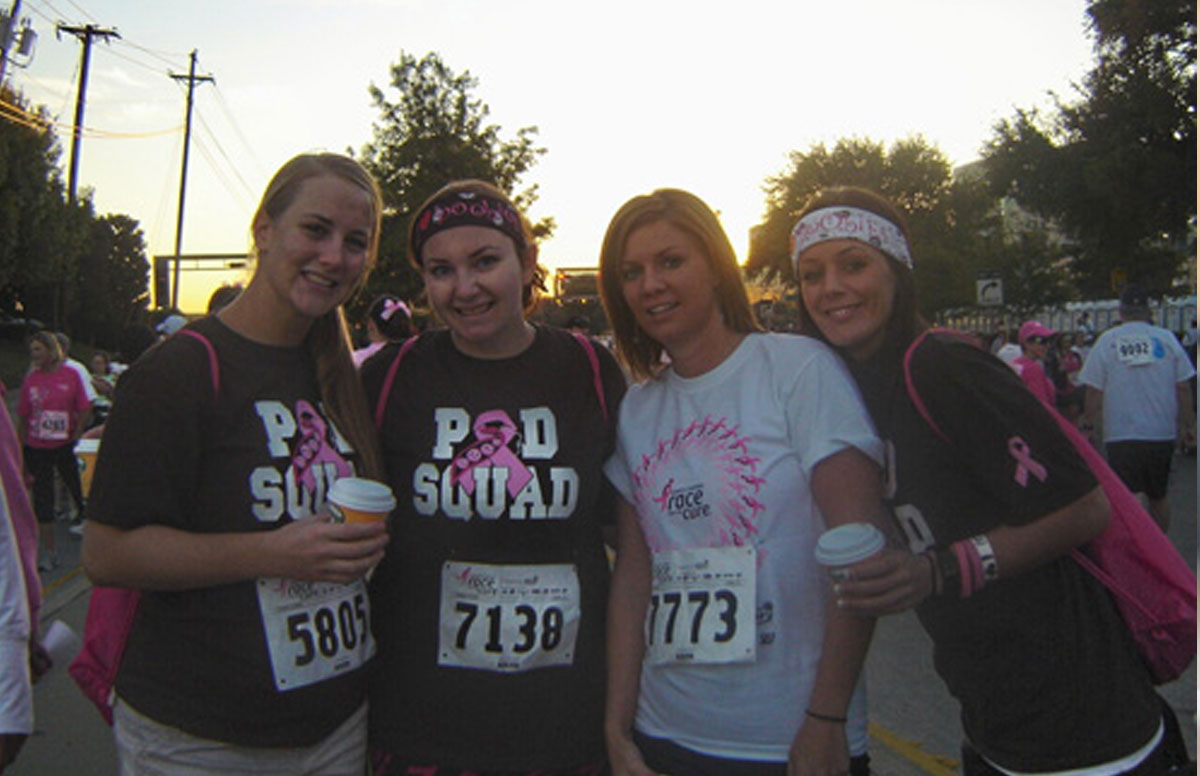
In 2002 a few employees and their families were dealing with some serious health issues. It was then that a small group formed hoping to make a difference and raise money for charitable organizations. Over the years we've participated in many events including Light the Night Walk, the Walk MS, and the Susan G. Komen Race for the Cure at North Park.

Halloween at POD
It’s a tradition at POD to celebrate Halloween. You never know who you may see at the office. In 2008, the managers dressed up as a different Lucy from “I Love Lucy.” Every time you turned around, there she was! In 2009, the managers dressed up as Sandy and the Pink Ladies from Grease. The Large Chicken beat them out in the annual costume contest.