Quick Links
 Quick Links
As parents, we want our children to succeed in everything they do, especially school. Teachers play an important role in the development of our children. Get to know your child’s teacher and be actively involved with your child’s education. Here are some tips to help your child with school:
- Establish a good bed time routine. School age children need eight to ten hours of sleep each night.
- So your child doesn’t feel rushed or stressed, plan enough time to get ready in the morning.
- Help your child develop good homework habits. Designate a regular time and location to work on assignments. It should be away from other children playing and without distractions from the television or other electronic devices.
- Do not do their homework for them. When your child asks for help, provide guidance, not answers.
- Start projects early! The hardest part is getting started, so do at least one thing the day it is assigned.
- When doing homework, help your child figure out what is hard homework and what is easy. Do the easy part first, for a feeling of accomplishment.
- Limit electronic media time. This includes TV, DVDs, computer, tablets, phones, etc.
- Be involved with school activities whenever possible.
- Get to know the teacher and have an open line of communication.
We hope you have had a great summer! If you child requires your help to get the homework done, talk with his teacher.
Below are several links with information that we thought helpful:
Making the first day of school easier:
http://www.healthychildren.org/English/News/pages/Back-to-School-Tips.aspx
Bullying:
http://www.healthychildren.org/English/safety-prevention/at-play/Pages/Bullying-Its-Not-Ok.aspx
Poor School Performance:
https://www.healthychildren.org/English/ages-stages/teen/school/Pages/Poor-School-Performance-How-Parents-Can-Help.aspx
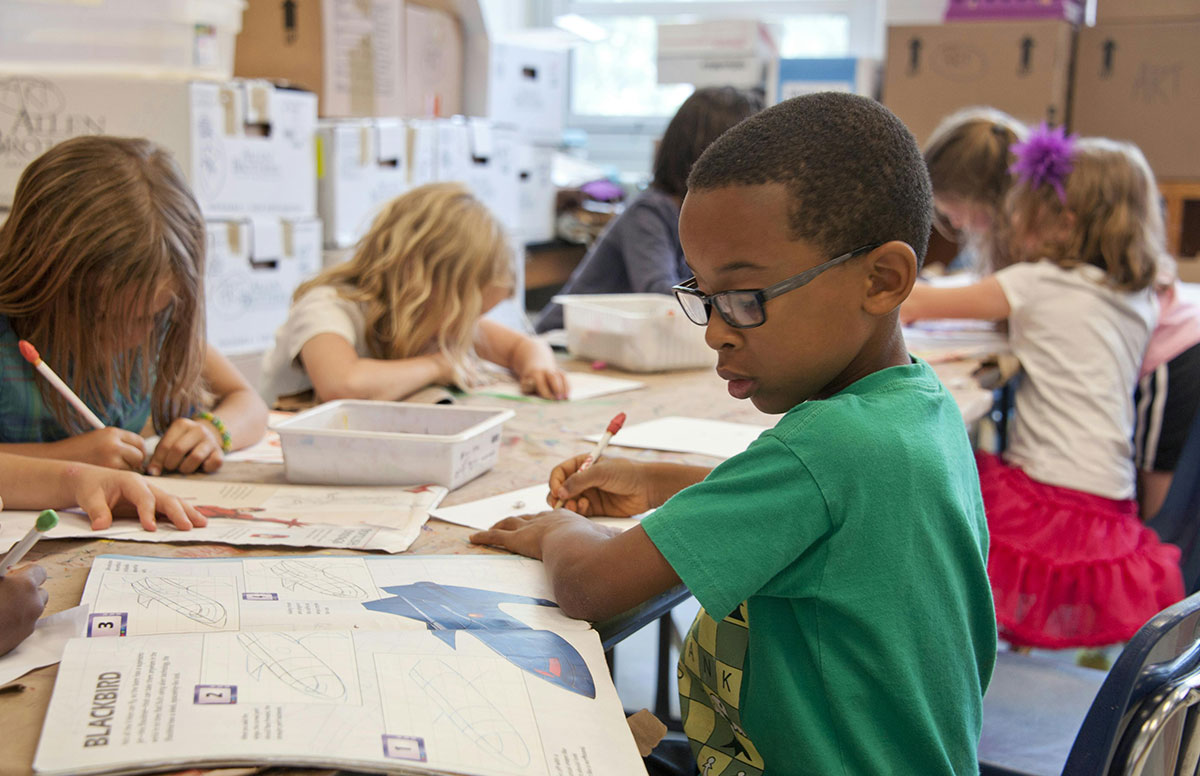
As parents, we want our children to succeed in everything they do, especially school. Teachers play an important role in the development of our children. Get to know your child’s teacher and be actively involved with your child’s education. Here are some tips to help your child with school:
- Establish a good bed time routine. School age children need eight to ten hours of sleep each night.
- So your child doesn’t feel rushed or stressed, plan enough time to get ready in the morning.
- Help your child develop good homework habits. Designate a regular time and location to work on assignments. It should be away from other children playing and without distractions from the television or other electronic devices.
- Do not do their homework for them. When your child asks for help, provide guidance, not answers.
- Start projects early! The hardest part is getting started, so do at least one thing the day it is assigned.
- When doing homework, help your child figure out what is hard homework and what is easy. Do the easy part first, for a feeling of accomplishment.
- Limit electronic media time. This includes TV, DVDs, computer, tablets, phones, etc.
- Be involved with school activities whenever possible.
- Get to know the teacher and have an open line of communication.
We hope you have had a great summer! If you child requires your help to get the homework done, talk with his teacher.
Below are several links with information that we thought helpful:
Making the first day of school easier:
http://www.healthychildren.org/English/News/pages/Back-to-School-Tips.aspx
Bullying:
http://www.healthychildren.org/English/safety-prevention/at-play/Pages/Bullying-Its-Not-Ok.aspx
Poor School Performance:
https://www.healthychildren.org/English/ages-stages/teen/school/Pages/Poor-School-Performance-How-Parents-Can-Help.aspx