Quick Links
 Quick Links
Most insect bites usually cause a small red bump and begin to disappear the next day. Often times, it may look like localized hives, one large or several small ones. The red bump is the body’s allergic reaction to the venom injected by the insect.
For itchy insect bites, apply calamine or a 1% hydrocortisone cream. If the bite is extremely itchy, try an oral antihistamine, like Benadryl.
For painful insect bites, give Tylenol or Advil for pain relief. You can also apply an ice cube in a wet washcloth for 20 minutes.
Insect repellents protect against biting insects, mosquitos, chiggers, flies, ticks, and fleas. Choose one that contains at least 10% DEET and no more than 30%.
- Do not use on infants under 2 months of age.
- Products with DEET should only be applied every six hours.
- Do not use a combination sunscreen/bug repellent product. Sunscreen should be reapplied more often.
- If using a spray, it can be applied to clothing, stroller, hats, etc.
- Do not apply to the hands if your child sucks his fingers or thumb.
- Bugs can be attracted to lotion, perfume or hair spray. Use sparingly.
If the bite looks infected (oozing, very large, hard to touch) or you have any other concerns or questions, contact the office.
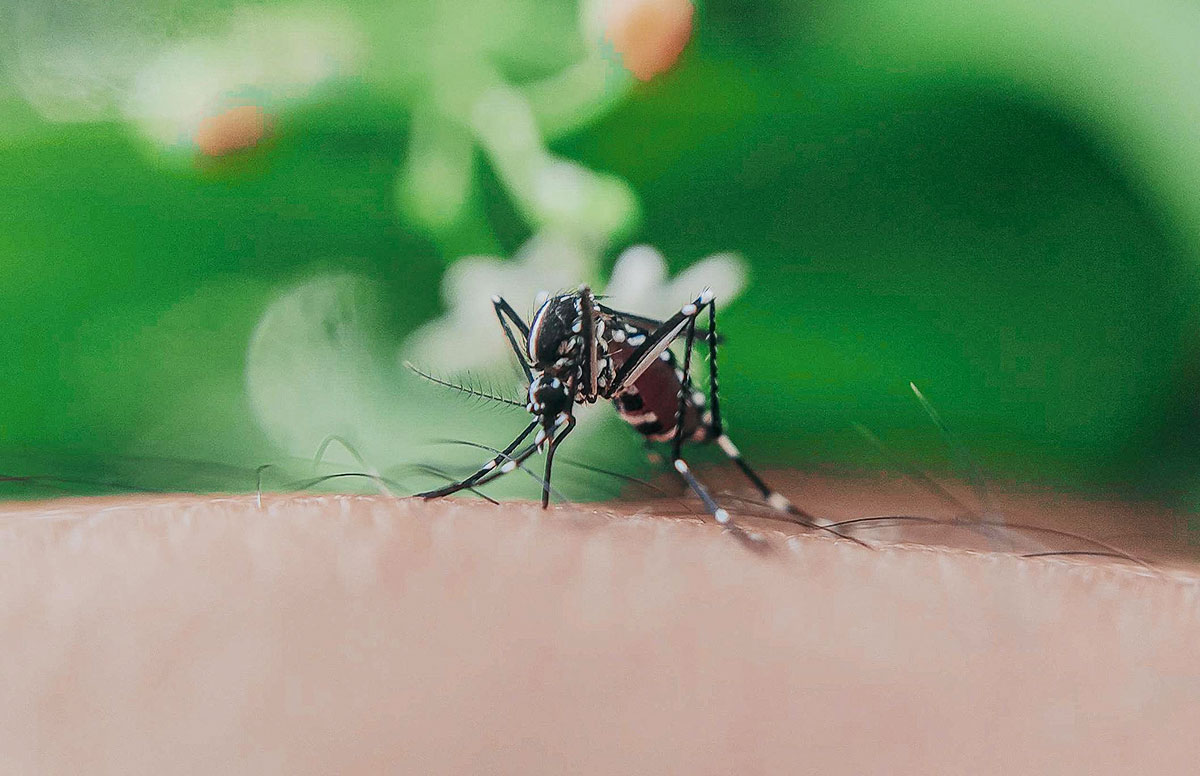
Most insect bites usually cause a small red bump and begin to disappear the next day. Often times, it may look like localized hives, one large or several small ones. The red bump is the body’s allergic reaction to the venom injected by the insect.
For itchy insect bites, apply calamine or a 1% hydrocortisone cream. If the bite is extremely itchy, try an oral antihistamine, like Benadryl.
For painful insect bites, give Tylenol or Advil for pain relief. You can also apply an ice cube in a wet washcloth for 20 minutes.
Insect repellents protect against biting insects, mosquitos, chiggers, flies, ticks, and fleas. Choose one that contains at least 10% DEET and no more than 30%.
- Do not use on infants under 2 months of age.
- Products with DEET should only be applied every six hours.
- Do not use a combination sunscreen/bug repellent product. Sunscreen should be reapplied more often.
- If using a spray, it can be applied to clothing, stroller, hats, etc.
- Do not apply to the hands if your child sucks his fingers or thumb.
- Bugs can be attracted to lotion, perfume or hair spray. Use sparingly.
If the bite looks infected (oozing, very large, hard to touch) or you have any other concerns or questions, contact the office.