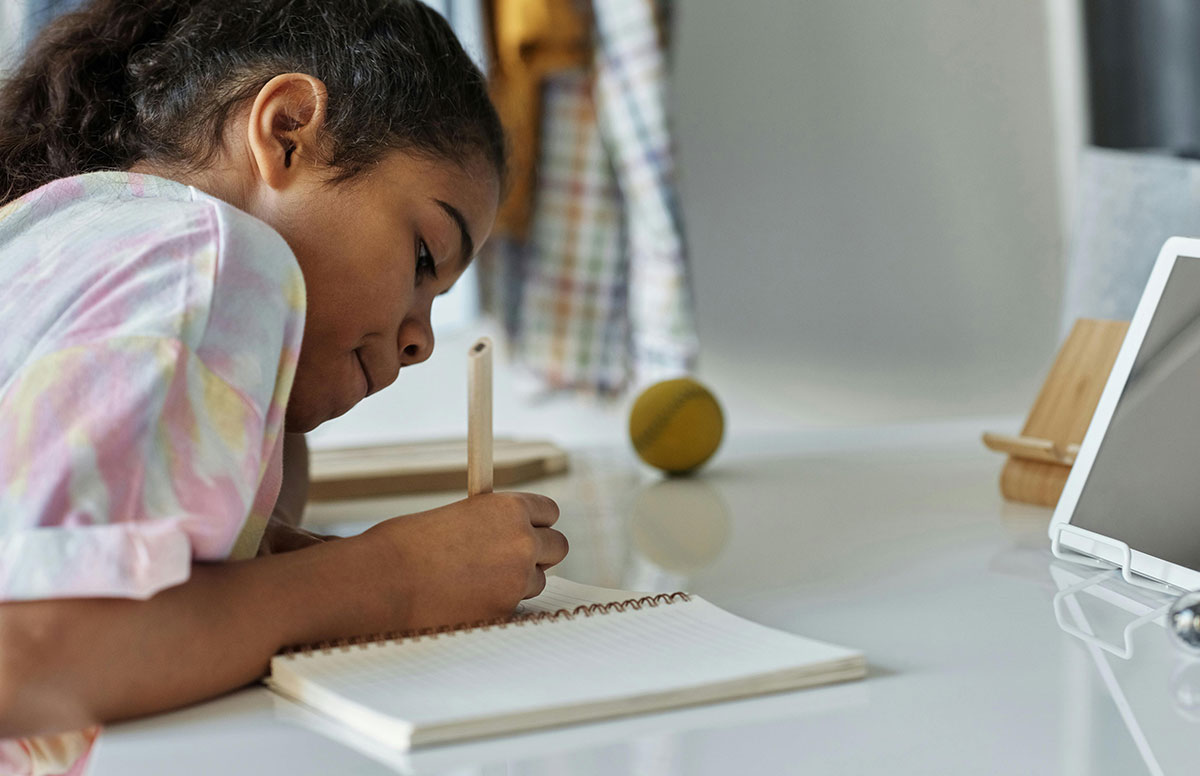
Homework Tips by Susan Kennedy, M.S., Certified Educational Diagnostician
Homework time can be frustrating for both the child and the parents. Listed below are some tips to help homework be productive. Remember, homework is for the child...not the parent.
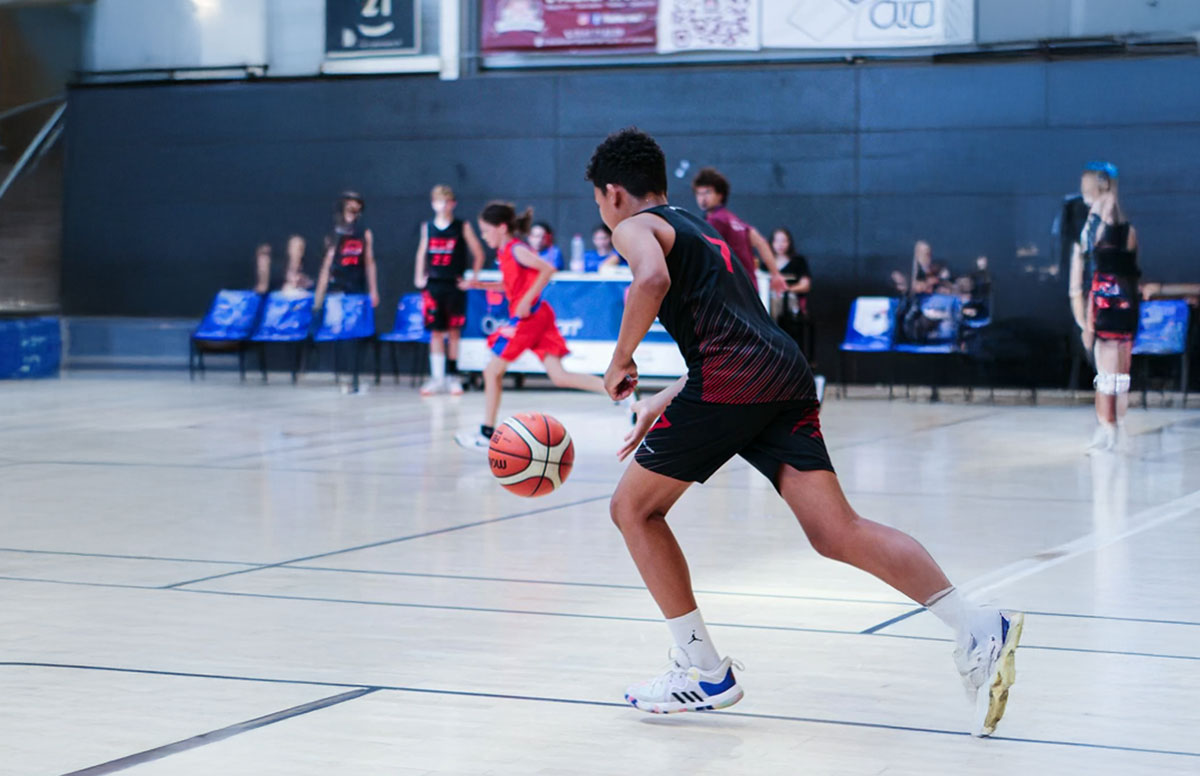
Kids and Energy Drinks… by Robyn Lilly, CPNP-PC
If you go into any local convenience or grocery store, chances are you will see the shelves stocked with various sorts of energy drinks all with claims to boost your energy, help you stay awake longer, help you perform better..... If you turn the label to look at the contents, they are mostly sugar and water and very large doses of caffeine (up to 3 times the amount found in colas) and other additives like taurine, guarana, L-carnitine, ginseng, and yohimbe. Many of these energy drinks' advertisement and marketing are directed at adolescents and kids. The biggest question is are these energy drinks safe for our children and teens?
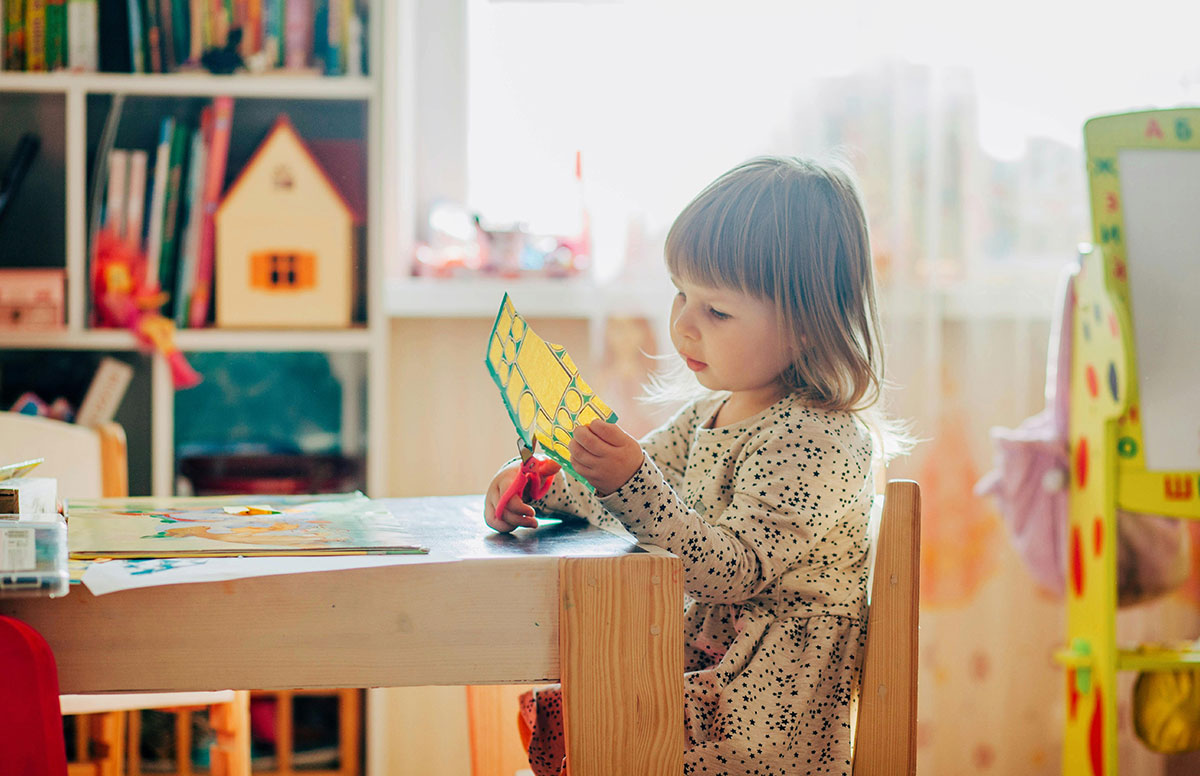
Watkins’s Ideas About When To Start Kindergarten
It's probably the wrong time of year to be addressing this issue, but in recent weeks I've seen a lot of five and six year-olds getting ready to start Kindergarten. Most were very excited and I was excited for them too. Also anxious. I hope they have a great experience, a wonderful, memorable year, but, like their parents, there's always the worry that a bad first experience at 'real school' will color forever their attitude about school.
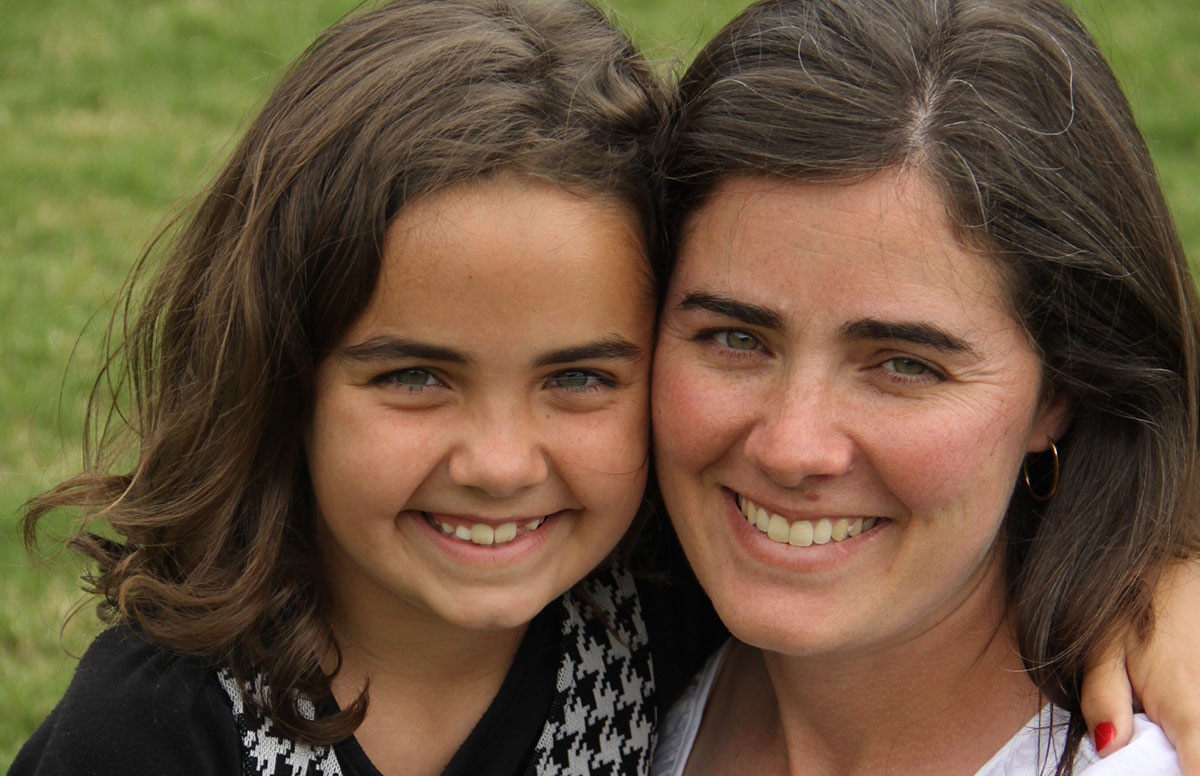
Watkins’s Ideas About Some of the Modeling We Do for Our Children
Ever wanted to be a model? You are one! Children learn, of course, from what we tell them, but so much more often, and more effectively, from how we act. I am sometimes asked how best to react when a child complains of vague and essentially non-worrisome complaints. Almost every parent hears these from time to time: stomach aches, leg pains, headaches, annoying itches or feelings of dizziness or light-headedness. All these complaints might be signs of serious illness, but more often they aren't and most of the time parents know this.
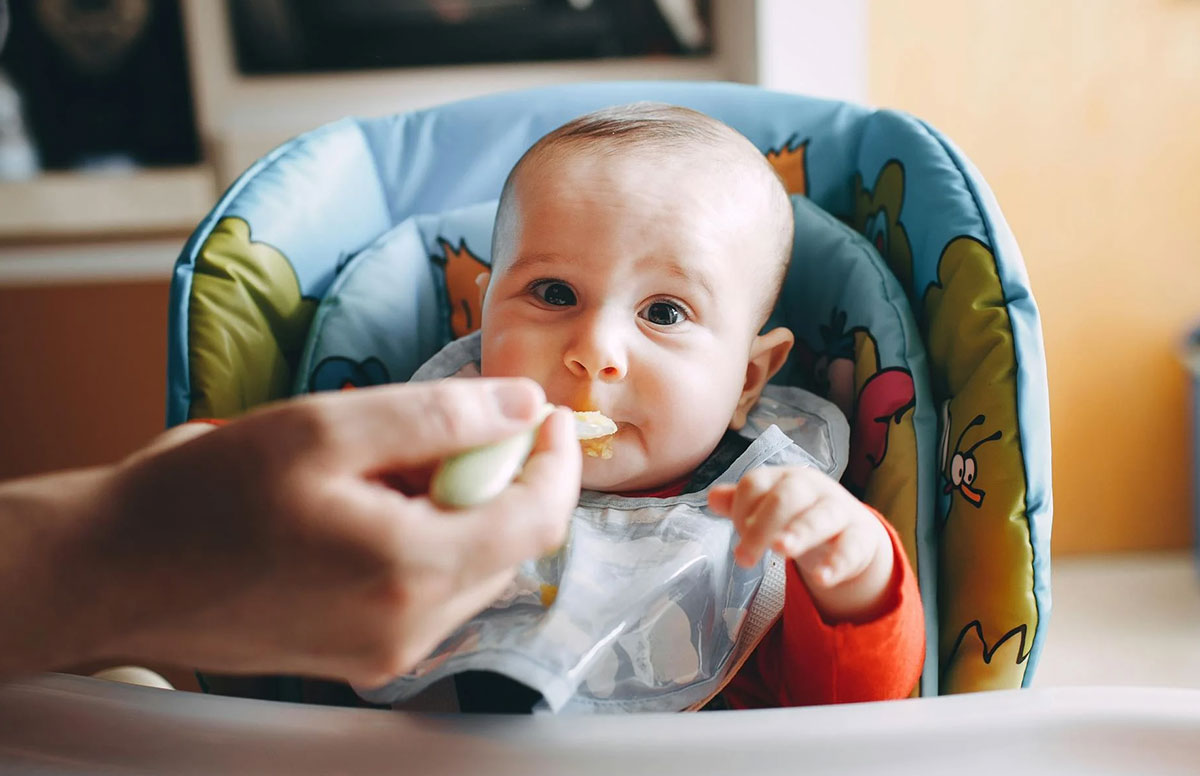
Watkins’s Ideas About Starting Baby Foods
Not everybody might agree, but I think that it doesn’t matter exactly when you start solid foods: anywhere between 2 and 7 months age. Now the most natural time, based on babies’ behavior, their watching adults eat and reaching for food, is about 4-5 months old, but studies indicated that starting at an earlier age, as early as two months, or waiting until a later age like 6-7 months, has no effect. It appears that starting cereal and vegetables and fruits early, middle or late, does not affect a child’s eventual weight, height, intelligence or tendency to have food allergies.