Quick Links
 Quick Links
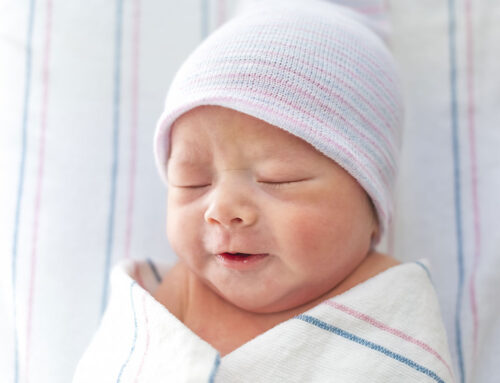
Swaddling is well described as a soothing technique to calm your child and promote better sleep. Because newborns have an immature nervous system with active startle reflexes, swaddling prevents infants from frequent awakenings during sleep, thus lengthening their naps and nighttime sleep.
Harvey Karp, M.D., FAAP, endorses swaddling in his book, The Happiest Baby on the Block. He has been an outspoken advocate for safe swaddling as he touts the five S’s—swaddling, side/stomach position (The AAP and others recommend babies always be placed on their backs to sleep), swinging, shushing and sucking—for calming fussy babies. “If we can reduce crying and increase sleep, that is a good thing,” he said.
However, there are several important things to remember when swaddling your baby. To begin, babies should never be swaddled past 2-2.5 months of age. Infants of this age are beginning to role and rolling on their stomach while swaddled increases the risk of SIDS. Furthermore, recent evidence has shown that tight swaddling over the legs can increase infants’ risk for hip dysplasia. It is now clear that safe swaddling must leave room for infants’ legs to move freely. The tips and tricks to safe swaddling are included in this informative video.
Also, it is important to remember other “safe sleep” rules to prevent SIDS.
The AAP recommends parents follow the safe sleep recommendations every time they place their baby to sleep for naps or at nighttime:
- Place your baby on her back to sleep, and monitor her to be sure she doesn’t roll over while swaddled.
- Do not have any loose blankets in your baby’s crib. A loose blanket, including a swaddling blanket that comes unwrapped, could cover your baby’s face and increase the risk of suffocation.
- Keep your baby’s crib free of bumper pads, soft bedding, wedges, toys, pillows and positioners.
- Your baby is safest in her own crib or bassinet, not in your bed.
- Swaddling can increase the chance your baby will overheat, so avoid letting your baby get too hot. The baby could be too hot if you notice sweating, damp hair, flushed cheeks, heat rash, and rapid breathing.
- Consider using a pacifier for naps and bedtime.
- Place the crib in an area that is always smoke-free.
Resources:
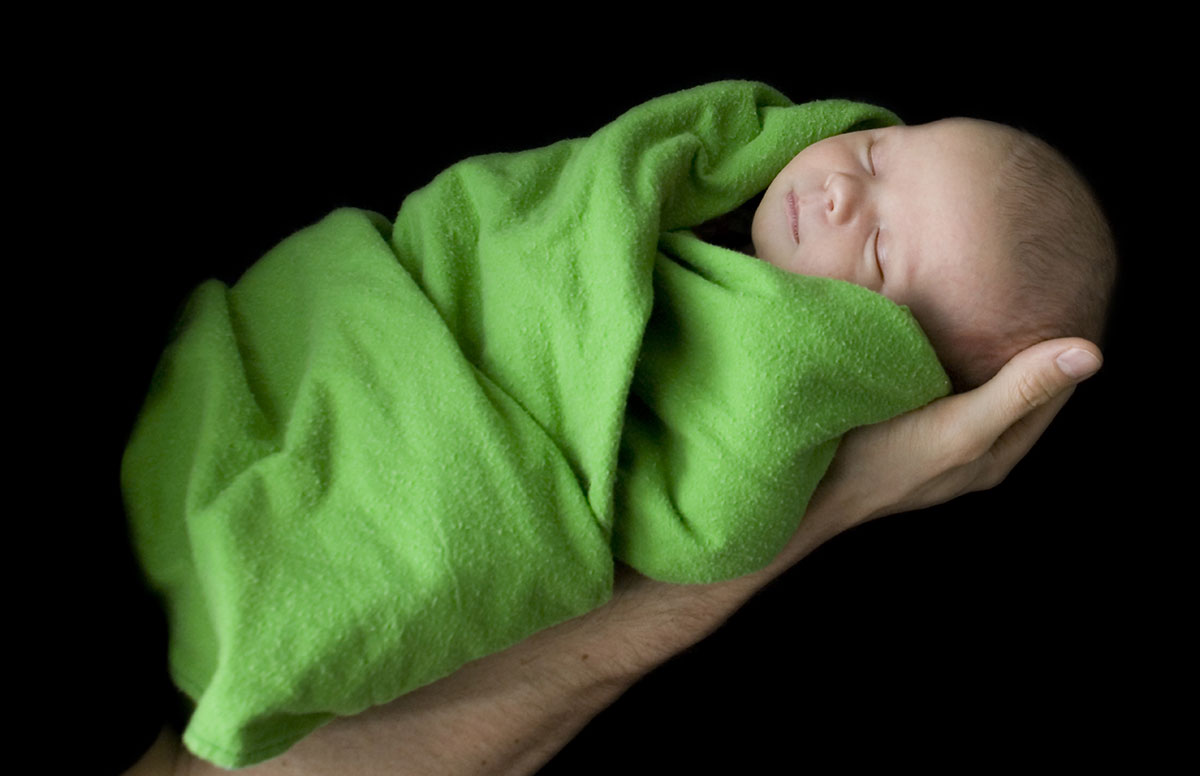
Swaddling is well described as a soothing technique to calm your child and promote better sleep. Because newborns have an immature nervous system with active startle reflexes, swaddling prevents infants from frequent awakenings during sleep, thus lengthening their naps and nighttime sleep.
Harvey Karp, M.D., FAAP, endorses swaddling in his book, The Happiest Baby on the Block. He has been an outspoken advocate for safe swaddling as he touts the five S’s—swaddling, side/stomach position (The AAP and others recommend babies always be placed on their backs to sleep), swinging, shushing and sucking—for calming fussy babies. “If we can reduce crying and increase sleep, that is a good thing,” he said.
However, there are several important things to remember when swaddling your baby. To begin, babies should never be swaddled past 2-2.5 months of age. Infants of this age are beginning to role and rolling on their stomach while swaddled increases the risk of SIDS. Furthermore, recent evidence has shown that tight swaddling over the legs can increase infants’ risk for hip dysplasia. It is now clear that safe swaddling must leave room for infants’ legs to move freely. The tips and tricks to safe swaddling are included in this informative video.
Also, it is important to remember other “safe sleep” rules to prevent SIDS.
The AAP recommends parents follow the safe sleep recommendations every time they place their baby to sleep for naps or at nighttime:
- Place your baby on her back to sleep, and monitor her to be sure she doesn’t roll over while swaddled.
- Do not have any loose blankets in your baby’s crib. A loose blanket, including a swaddling blanket that comes unwrapped, could cover your baby’s face and increase the risk of suffocation.
- Keep your baby’s crib free of bumper pads, soft bedding, wedges, toys, pillows and positioners.
- Your baby is safest in her own crib or bassinet, not in your bed.
- Swaddling can increase the chance your baby will overheat, so avoid letting your baby get too hot. The baby could be too hot if you notice sweating, damp hair, flushed cheeks, heat rash, and rapid breathing.
- Consider using a pacifier for naps and bedtime.
- Place the crib in an area that is always smoke-free.
Resources: