Quick Links
 Quick Links
What is strep throat?
Strep throat is the common term for streptococcal pharyngitis. Pharyngitis means an inflammation or infection of the throat. Strep refers to the causative bacteria – group A streptococcus. The group A Streptococcus bacteria can also cause skin infections. Interestingly, there are other types of strep bacteria but only group A causes throat infections.
What symptoms are common with strep throat?
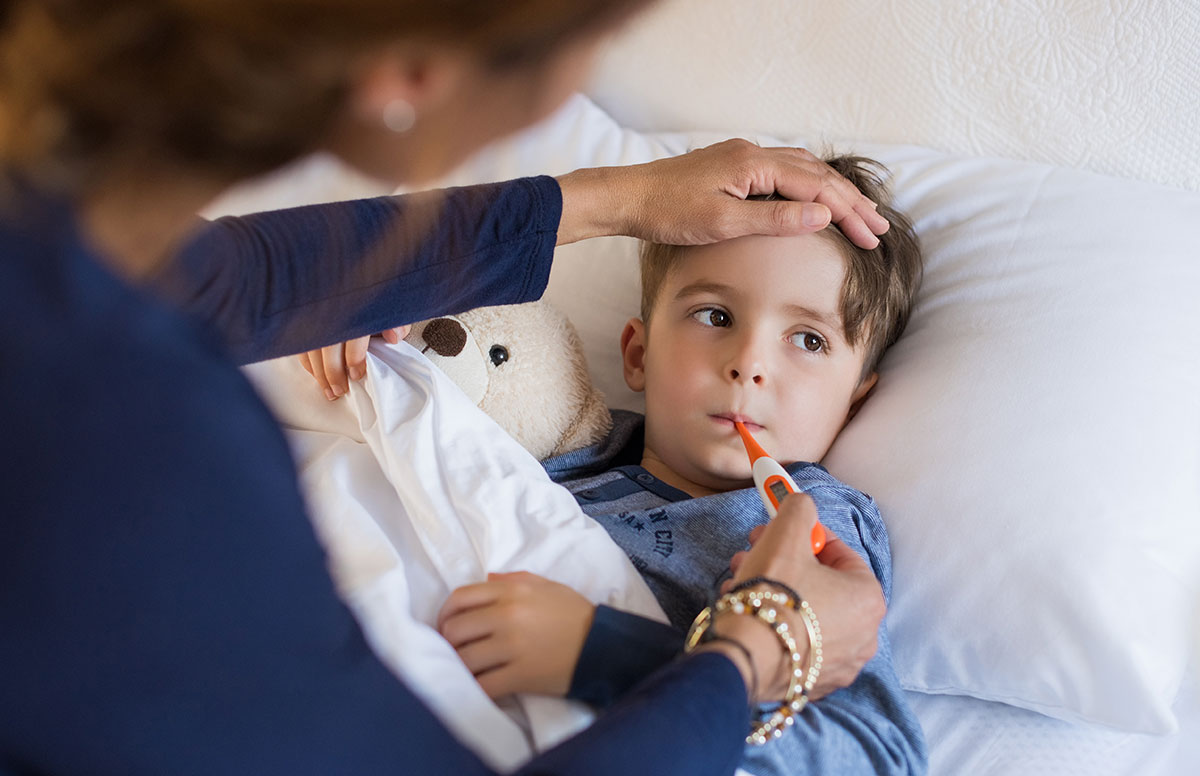
Children may present with a variety of complaints including sore throat, pain while swallowing, tender lymph nodes in the neck and fever. Some children will have a rash. It is not uncommon to complain of stomach ache or headaches. You may notice bad breath.
Who gets strep throat?
Anyone can contract strep throat, but it is more common in school aged children and adolescents.
Why is it important to treat strep throat?
First of all, it is important to treat the infection so that children can feel better. Secondly, it prevents transmission of the infection. But finally and possibly most importantly, appropriate treatment of strep throat can prevent a very serious complication of strep throat called Rheumatic Fever. Rheumatic Fever is a very dangerous condition that can cause persistent fever, inflammation of the heart, joint pain and other problems. The inflammation of the heart can cause damaged heart valves. Though rare, rheumatic fever occurs only after an untreated Group A strep infection.
How do you treat strep throat?
In order to prevent complication, we believe that it is important to treat every case of strep with antibiotics. Amoxicillin is usually the treatment of choice but other antibiotics can be used.
How is strep throat transmitted?
Strep bacteria can live in a person’s nose and throat. Though most authorities agree that transmission is hand to mouth, the bacteria are also spread through contact with droplets from an infected person’s cough or sneeze. It is important to avoid sharing beverages and to avoid sharing utensils. Hand washing is crucial!
How long are kids with strep throat contagious?
Conventional thinking is that after 24 hours of antibiotics, children can return to school if they have no fever. Common sense suggests that they still avoid direct hand to mouth contacts.
My child has a sore throat, but the doctor says it’s not strep throat. How can this be?
There are 2 types of germs that can cause a throat infection. Many common cold viruses can cause sore throat; in fact, viruses cause sore throats in children much more often than bacteria. In children, it is estimated that ~75% of sore throats are caused by viral infections while only ~25% of sore throats are caused strep. So, this means that more than half the time, children who present to our office with sore throat will be diagnosed with a “viral pharyngitis” rather than strep throat.
Should I get a new toothbrush?
Toothbrushes can harbor bacteria including strep so it would seem prudent to disinfect or replace your child’s toothbrush.
Why can’t antibiotics be called in over the phone for my child?
No one wants to take antibiotics unnecessarily and most throat infections, even those that cause high fever, are viral. It’s best to find out by a rapid strep test or throat culture if antibiotics are needed.
My doctor said that the strep test was negative, so my child didn’t get any antibiotics. The next day, the nurse called to say my child DID have strep throat. Why did this happen?
There are 2 ways to test for strep throat. We have a rapid test in our office, which is able to diagnose 95% of the cases. For all children with negative tests, we will send their throat swab to an outside lab for a culture (which is another, more sensitive way to test for the bacteria). In about 5% of cases, the strep culture will be positive for children whose initial tests were negative in our office. In those cases, our nurses will call you so that our doctors can prescribe antibiotics over the phone.
What is strep throat?
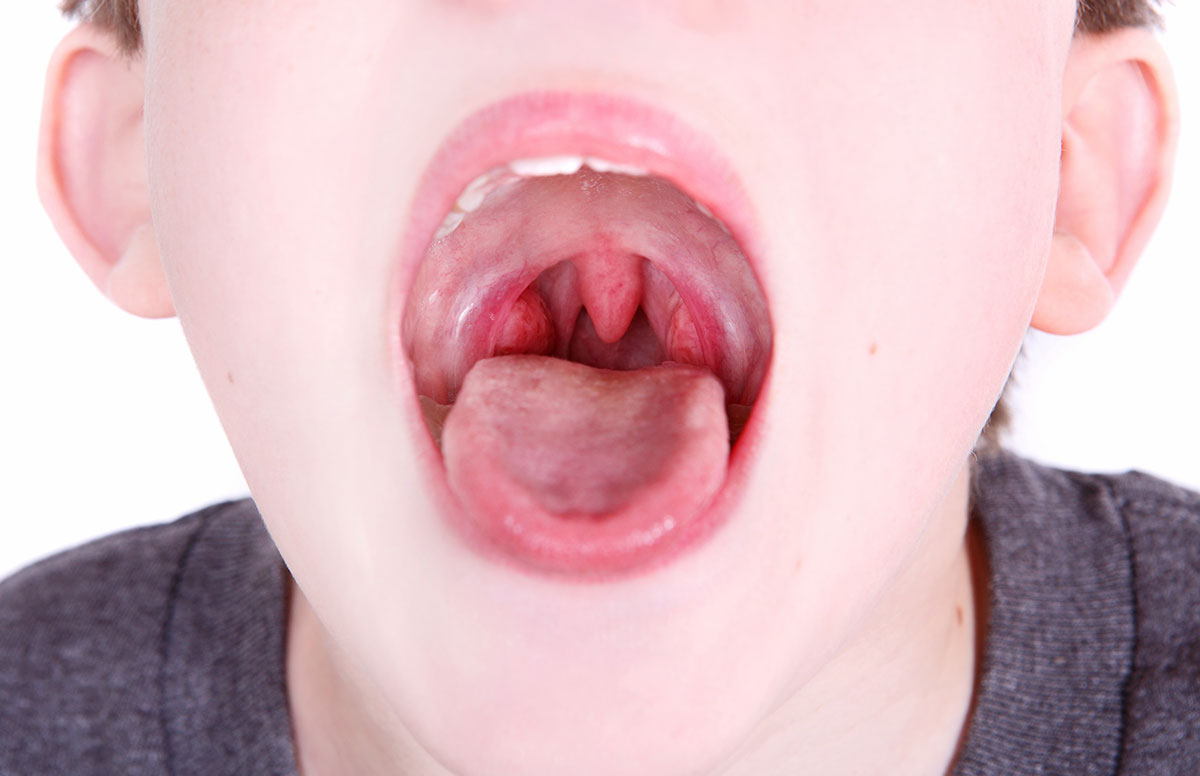
Strep throat is the common term for streptococcal pharyngitis. Pharyngitis means an inflammation or infection of the throat. Strep refers to the causative bacteria – group A streptococcus. The group A Streptococcus bacteria can also cause skin infections. Interestingly, there are other types of strep bacteria but only group A causes throat infections.
What symptoms are common with strep throat?
Children may present with a variety of complaints including sore throat, pain while swallowing, tender lymph nodes in the neck and fever. Some children will have a rash. It is not uncommon to complain of stomach ache or headaches. You may notice bad breath.
Who gets strep throat?
Anyone can contract strep throat, but it is more common in school aged children and adolescents.
Why is it important to treat strep throat?
First of all, it is important to treat the infection so that children can feel better. Secondly, it prevents transmission of the infection. But finally and possibly most importantly, appropriate treatment of strep throat can prevent a very serious complication of strep throat called Rheumatic Fever. Rheumatic Fever is a very dangerous condition that can cause persistent fever, inflammation of the heart, joint pain and other problems. The inflammation of the heart can cause damaged heart valves. Though rare, rheumatic fever occurs only after an untreated Group A strep infection.
How do you treat strep throat?
In order to prevent complication, we believe that it is important to treat every case of strep with antibiotics. Amoxicillin is usually the treatment of choice but other antibiotics can be used.
How is strep throat transmitted?
Strep bacteria can live in a person’s nose and throat. Though most authorities agree that transmission is hand to mouth, the bacteria are also spread through contact with droplets from an infected person’s cough or sneeze. It is important to avoid sharing beverages and to avoid sharing utensils. Hand washing is crucial!
How long are kids with strep throat contagious?
Conventional thinking is that after 24 hours of antibiotics, children can return to school if they have no fever. Common sense suggests that they still avoid direct hand to mouth contacts.
My child has a sore throat, but the doctor says it’s not strep throat. How can this be?
There are 2 types of germs that can cause a throat infection. Many common cold viruses can cause sore throat; in fact, viruses cause sore throats in children much more often than bacteria. In children, it is estimated that ~75% of sore throats are caused by viral infections while only ~25% of sore throats are caused strep. So, this means that more than half the time, children who present to our office with sore throat will be diagnosed with a “viral pharyngitis” rather than strep throat.
Should I get a new toothbrush?
Toothbrushes can harbor bacteria including strep so it would seem prudent to disinfect or replace your child’s toothbrush.
Why can’t antibiotics be called in over the phone for my child?
No one wants to take antibiotics unnecessarily and most throat infections, even those that cause high fever, are viral. It’s best to find out by a rapid strep test or throat culture if antibiotics are needed.
My doctor said that the strep test was negative, so my child didn’t get any antibiotics. The next day, the nurse called to say my child DID have strep throat. Why did this happen?
There are 2 ways to test for strep throat. We have a rapid test in our office, which is able to diagnose 95% of the cases. For all children with negative tests, we will send their throat swab to an outside lab for a culture (which is another, more sensitive way to test for the bacteria). In about 5% of cases, the strep culture will be positive for children whose initial tests were negative in our office. In those cases, our nurses will call you so that our doctors can prescribe antibiotics over the phone.