Quick Links
 Quick Links
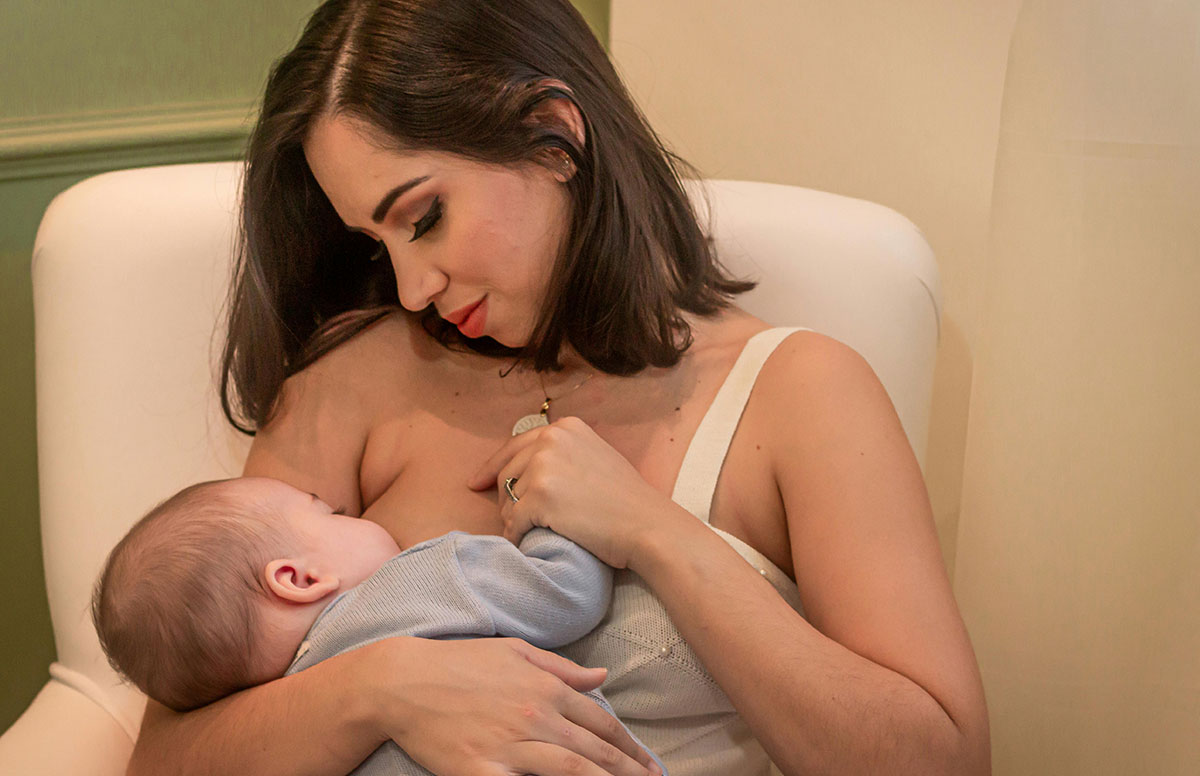
I would like to open by first saying that I feel like the ability to provide extra breast milk and the choice to donate your milk at any capacity is an incredible feat and a selfless gift that is a very personal choice. I was not ever able to produce extra milk to donate with either of my breastfeeding journeys, so I can totally relate to most of us moms who are just able to provide enough for their baby’s needs, or even need to supplement due to a low supply or other complication. With that being said, I know so many moms personally and professionally that have the oversupply and do choose donation in some form or fashion, and I admire them very much for their gift of breast milk to those in need.
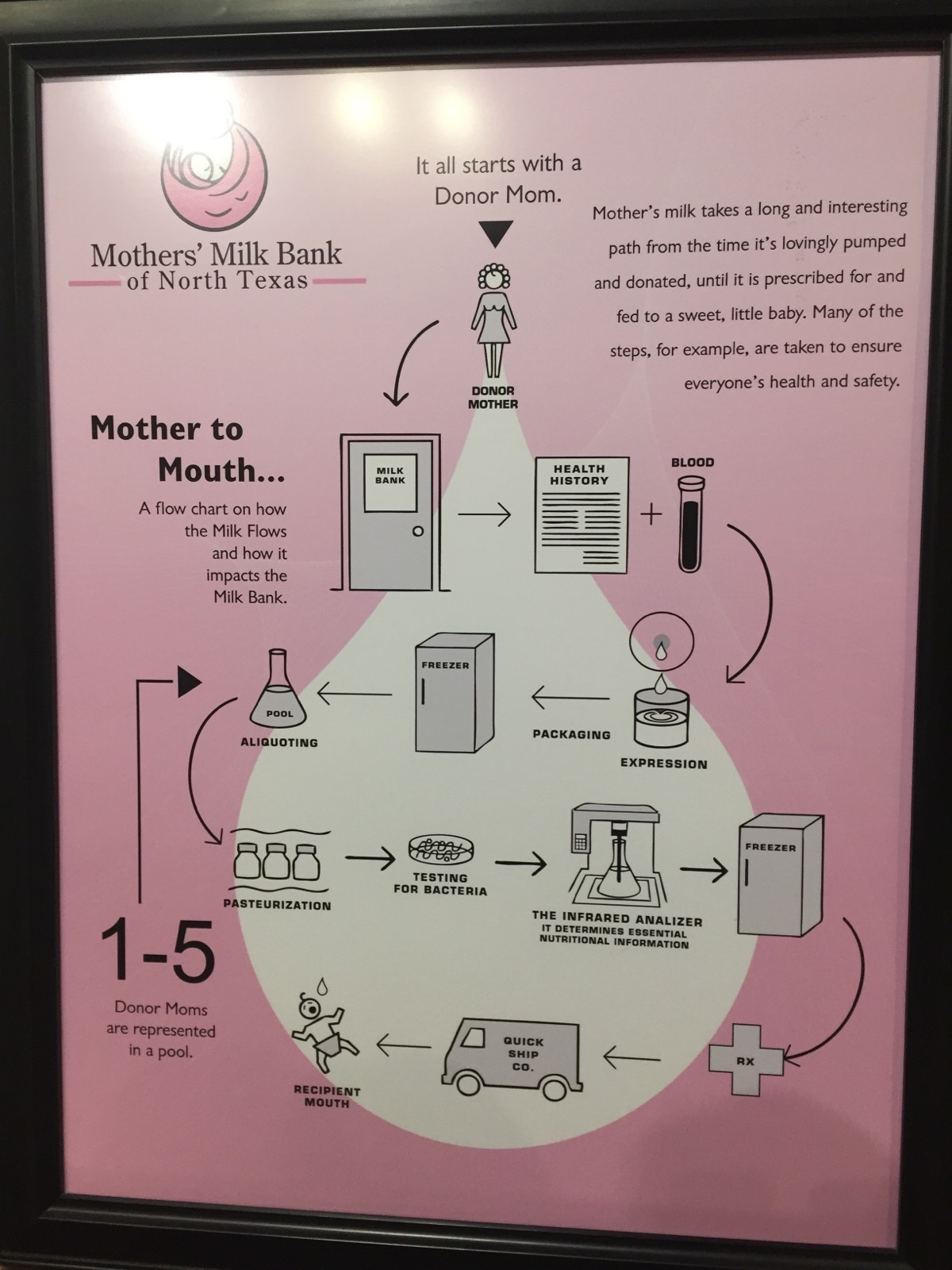
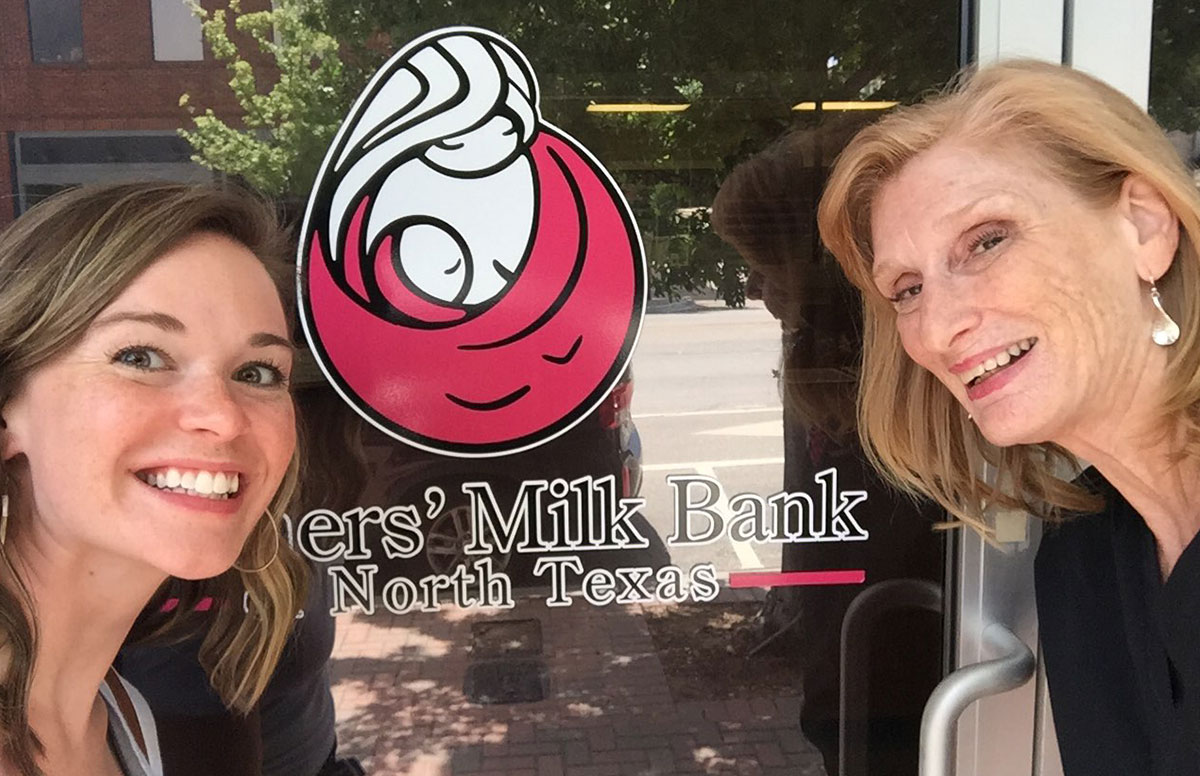
 There are currently only a surprising 27 total milk banks in North America, 2 of which are located here in Texas, Austin and Fort Worth respectively. We visited Forth Worth’s milk bank this week and were enlightened with a bunch of great information! Here in North Texas the Mothers’ Milk Bank is able to provide donor milk to recipients in 12 different states, and over 100 hospitals. They rely on the generous donations of moms from all over our area, as well as other outlying cities and states. The founding basis of most milk banks as well as this one is mainly to serve NICUs with precious breast milk to feed to premature and critically ill babies. After the NICU orders are fulfilled they do offer breast milk to the public with some certain conditions that apply. The Mothers’ Milk Bank sends each donation through a rigorous process of screening, pasteurization, testing and analysis before it is proudly sent to its recipients. This is for the safety of everyone and ensures the breast milk is disease, bacterial and drug free. The gift of breast milk to these critical needs babies can be lifesaving!
If you are interested in learning more or even donating your own milk, the milk bank has made the process easy and convenient. All testing, shipping fees and even storage bags are provided at the cost of the milk bank, so all you would need to do is pump the milk! Just ask me about it next time you are in the office or give me a call to chat about it, you can even visit the Mother’s Milk Bank of North Texas website www.texasmilkbank.org
I would like to open by first saying that I feel like the ability to provide extra breast milk and the choice to donate your milk at any capacity is an incredible feat and a selfless gift that is a very personal choice. I was not ever able to produce extra milk to donate with either of my breastfeeding journeys, so I can totally relate to most of us moms who are just able to provide enough for their baby’s needs, or even need to supplement due to a low supply or other complication. With that being said, I know so many moms personally and professionally that have the oversupply and do choose donation in some form or fashion, and I admire them very much for their gift of breast milk to those in need.
There are currently only a surprising 27 total milk banks in North America, 2 of which are located here in Texas, Austin and Fort Worth respectively. We visited Forth Worth’s milk bank this week and were enlightened with a bunch of great information! Here in North Texas the Mothers’ Milk Bank is able to provide donor milk to recipients in 12 different states, and over 100 hospitals. They rely on the generous donations of moms from all over our area, as well as other outlying cities and states. The founding basis of most milk banks as well as this one is mainly to serve NICUs with precious breast milk to feed to premature and critically ill babies. After the NICU orders are fulfilled they do offer breast milk to the public with some certain conditions that apply. The Mothers’ Milk Bank sends each donation through a rigorous process of screening, pasteurization, testing and analysis before it is proudly sent to its recipients. This is for the safety of everyone and ensures the breast milk is disease, bacterial and drug free. The gift of breast milk to these critical needs babies can be lifesaving!
If you are interested in learning more or even donating your own milk, the milk bank has made the process easy and convenient. All testing, shipping fees and even storage bags are provided at the cost of the milk bank, so all you would need to do is pump the milk! Just ask me about it next time you are in the office or give me a call to chat about it, you can even visit the Mother’s Milk Bank of North Texas website www.texasmilkbank.org