Quick Links
 Quick Links
One of the most common questions we get around the holidays is regarding traveling with children. We know that traveling is a wonderful opportunity for children. Whether it involves spending time with extended family, visiting new places, or learning about different cultures, travel can enrich the lives of our children. Accordingly, we want to help all of our families have a safe and special travel season!
The two considerations are logistics and safety.
Logistics mostly depends on the family’s preferences—flying vs. driving, buying a plane ticket for your baby vs. having them sit as a “lap child.” Regardless of what plans your family makes, ensuring that your children are safe during travel is the primary priority.
Safety is the most important thing! We have included a few notes about ensuring that your family is safe this holiday season.
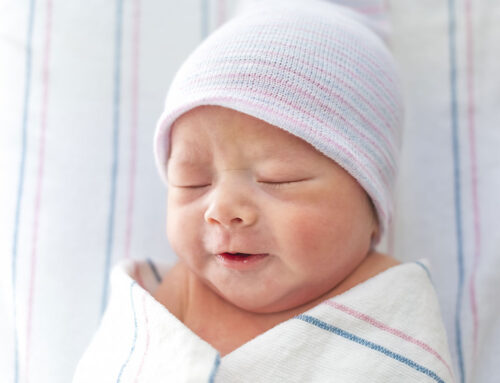
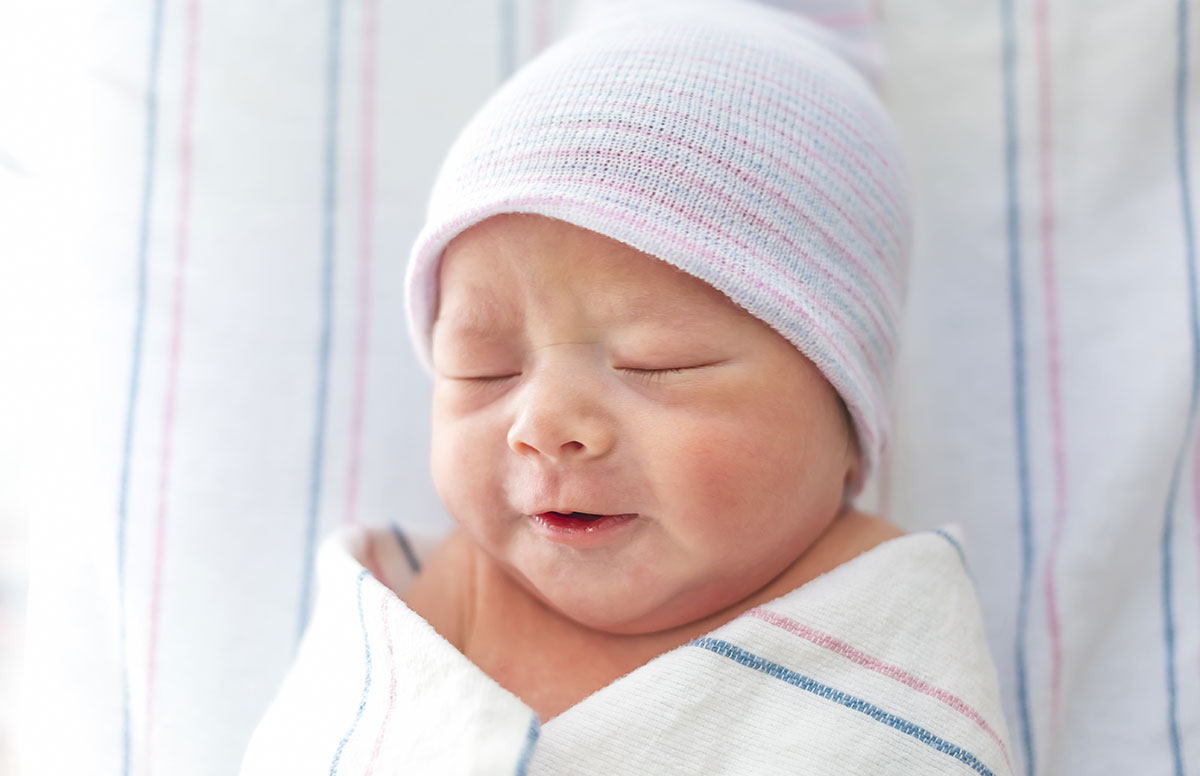
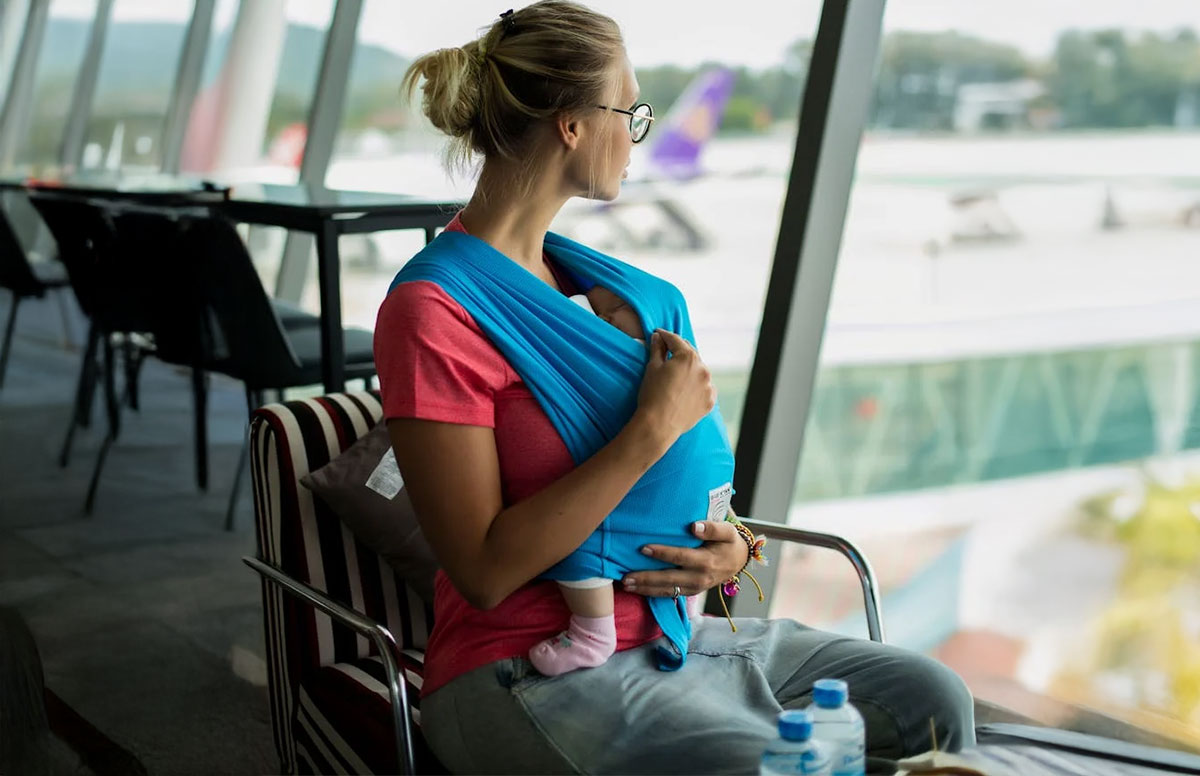
- NEWBORNS – Newborns and infants under 2 months of age are a unique population of patients because minimizing germ exposure is especially important. This is because fever or other illness can be more serious in this age group. However, this does not always preclude travel. Newborns often travel well on car rides! For airplane travel, the most important thing is preventing other passengers from coughing or sneezing on your baby. This can be done several ways—by “baby wearing” or leaving your young infant in his/her carseat. Ultimately, having a plan is key—this means that you (as a parent) know when and where to go if your young baby is sick.
- CAR SAFETY – For car travel, be sure that your child’s carseats and/or booster seats are appropriate. Children under 2 years old should all be rear facing. Toddlers over 2 years of age and preschoolers should all remain in forward facing car seat for as long as possible, until they reach the height or weight limit by the carseat manufacturer. School aged children should be in a booster seat until the vehicle seat belt fits them properly, which usually occurs when kids are 4 feet 9 inches tall.
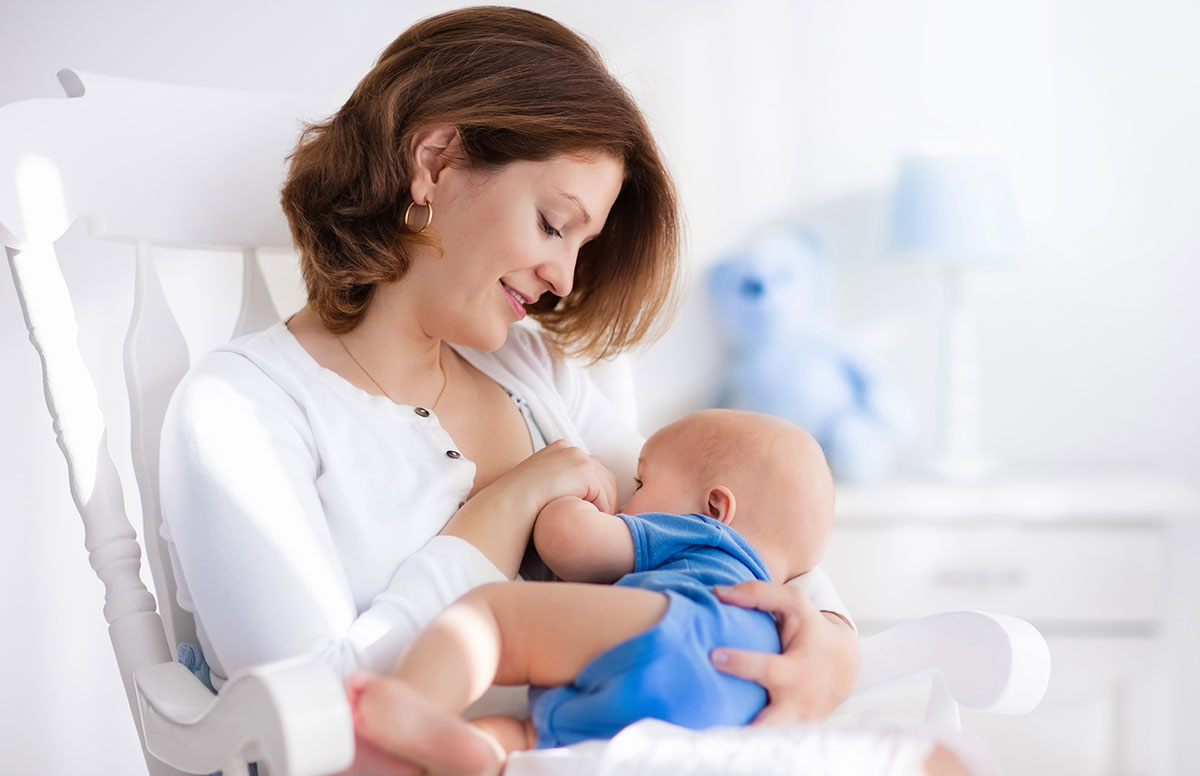
- AIR TRAVEL – Ear pain during air travel is common. This occurs because cabin pressure can change during takeoff and landing. The “popping” sensation happens when the pressure in the middle ear “equalizes.” Minimizing ear pain during takeoff and landing can be done in many ways—by allowing babies to nurse, suck on a bottle or pacifier, or having older children chew gum.
We hope everyone has a safe and happy holiday season!
One of the most common questions we get around the holidays is regarding traveling with children. We know that traveling is a wonderful opportunity for children. Whether it involves spending time with extended family, visiting new places, or learning about different cultures, travel can enrich the lives of our children. Accordingly, we want to help all of our families have a safe and special travel season!
The two considerations are logistics and safety.
Logistics mostly depends on the family’s preferences—flying vs. driving, buying a plane ticket for your baby vs. having them sit as a “lap child.” Regardless of what plans your family makes, ensuring that your children are safe during travel is the primary priority.
Safety is the most important thing! We have included a few notes about ensuring that your family is safe this holiday season.
- NEWBORNS – Newborns and infants under 2 months of age are a unique population of patients because minimizing germ exposure is especially important. This is because fever or other illness can be more serious in this age group. However, this does not always preclude travel. Newborns often travel well on car rides! For airplane travel, the most important thing is preventing other passengers from coughing or sneezing on your baby. This can be done several ways—by “baby wearing” or leaving your young infant in his/her carseat. Ultimately, having a plan is key—this means that you (as a parent) know when and where to go if your young baby is sick.
- CAR SAFETY – For car travel, be sure that your child’s carseats and/or booster seats are appropriate. Children under 2 years old should all be rear facing. Toddlers over 2 years of age and preschoolers should all remain in forward facing car seat for as long as possible, until they reach the height or weight limit by the carseat manufacturer. School aged children should be in a booster seat until the vehicle seat belt fits them properly, which usually occurs when kids are 4 feet 9 inches tall.
- AIR TRAVEL – Ear pain during air travel is common. This occurs because cabin pressure can change during takeoff and landing. The “popping” sensation happens when the pressure in the middle ear “equalizes.” Minimizing ear pain during takeoff and landing can be done in many ways—by allowing babies to nurse, suck on a bottle or pacifier, or having older children chew gum.
We hope everyone has a safe and happy holiday season!