Quick Links
 Quick Links
So the most wonderful time of the year has come and gone and now it is back to life as usual. Kids are back in school and life’s routines are resuming. With that, germs are being passed back and forth on a daily basis. Cold season is here and you just wait until your little one comes home with his sniffly nose and cough. The Cough. Oh the cough. It keeps kids up at night, makes them throw up, and is a nuisance in general. So why do kids cough? Why are there so many different types and qualities of coughs? And what do you do to treat a cough? And when should you call your pediatrician?
First of all, a cough is a protective reflex. It happens because there is irritation or blockage in the airways and the force of air can clear mucous or irritants from the lungs. It is usually an automatic reflex, though there are some instances in which a cough can be voluntarily produced like with throat irritation.
Okay, so then why are there so many different types of coughs and what do they mean?
Most coughs are the result of a viral illness like a cold or the flu. Some coughs can also indicate a bacterial infection like pneumonia. Another reason for a cough can be allergies or throat irritation. Some coughs can be barky or seal like in nature indicating an upper airway infection like in croup. A dry tight cough accompanied with some difficulty in breathing can indicate wheezing like in asthma. Though some kids can wheeze with colds too and not necessarily have asthma but that is a discussion for another day. What is wheezing anyway? Wheezing is the result of narrowing in the smaller airways of the lung – the muscles tighten and more mucous is produced by the lung tissue. So as you can see, coughs can vary in the way they sound depending on the cause of the cough. It doesn’t, however, change how bothersome a cough can be.
So what to do for a cough? The American Academy of Pediatricians does not recommend over the counter preparations in children under the age of six to treat a cold or cough. Over the counter preparations do not work in children younger than six and have no known studies to warrant their use in young children. There has been a study that looked at the use of honey, specifically buckwheat honey, for the relief of cough symptoms. It showed some relief in the symptom of cough as compared with over the counter cough relief preparations. Start with ½ teaspoon to 1 teaspoon of honey before bedtime. It should be noted that use of honey in children under 1 year of age is not recommended due to the risk of botulism.
So when should you call the pediatrician for a cough? Serious signs associated with cough include: coughing up blood, coughing with chest pain, difficulty breathing, shortness of breath, and stridor or high pitched breathing at rest. A call or visit to your pediatrician is also warranted in young babies with cough (especially under the age of 6 months), coughing with abdominal pain, cough lasting more than 10 days, or if your child has a known history of wheezing or asthma associated with increased work of breathing or increased frequency of cough.
As always, there is never a wrong time to call your provider in cases of cough. We know these coughs can be tricky and bothersome. Here’s to health in 2012.
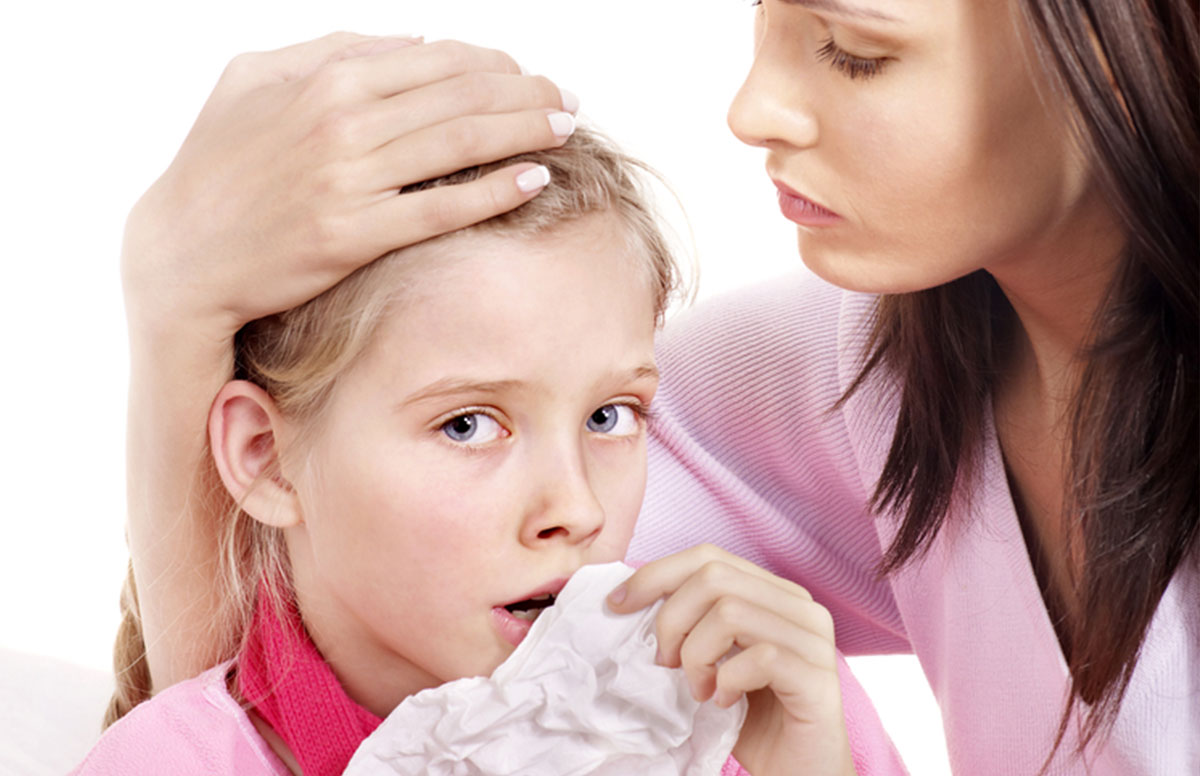
So the most wonderful time of the year has come and gone and now it is back to life as usual. Kids are back in school and life’s routines are resuming. With that, germs are being passed back and forth on a daily basis. Cold season is here and you just wait until your little one comes home with his sniffly nose and cough. The Cough. Oh the cough. It keeps kids up at night, makes them throw up, and is a nuisance in general. So why do kids cough? Why are there so many different types and qualities of coughs? And what do you do to treat a cough? And when should you call your pediatrician?
First of all, a cough is a protective reflex. It happens because there is irritation or blockage in the airways and the force of air can clear mucous or irritants from the lungs. It is usually an automatic reflex, though there are some instances in which a cough can be voluntarily produced like with throat irritation.
Okay, so then why are there so many different types of coughs and what do they mean?
Most coughs are the result of a viral illness like a cold or the flu. Some coughs can also indicate a bacterial infection like pneumonia. Another reason for a cough can be allergies or throat irritation. Some coughs can be barky or seal like in nature indicating an upper airway infection like in croup. A dry tight cough accompanied with some difficulty in breathing can indicate wheezing like in asthma. Though some kids can wheeze with colds too and not necessarily have asthma but that is a discussion for another day. What is wheezing anyway? Wheezing is the result of narrowing in the smaller airways of the lung – the muscles tighten and more mucous is produced by the lung tissue. So as you can see, coughs can vary in the way they sound depending on the cause of the cough. It doesn’t, however, change how bothersome a cough can be.
So what to do for a cough? The American Academy of Pediatricians does not recommend over the counter preparations in children under the age of six to treat a cold or cough. Over the counter preparations do not work in children younger than six and have no known studies to warrant their use in young children. There has been a study that looked at the use of honey, specifically buckwheat honey, for the relief of cough symptoms. It showed some relief in the symptom of cough as compared with over the counter cough relief preparations. Start with ½ teaspoon to 1 teaspoon of honey before bedtime. It should be noted that use of honey in children under 1 year of age is not recommended due to the risk of botulism.
So when should you call the pediatrician for a cough? Serious signs associated with cough include: coughing up blood, coughing with chest pain, difficulty breathing, shortness of breath, and stridor or high pitched breathing at rest. A call or visit to your pediatrician is also warranted in young babies with cough (especially under the age of 6 months), coughing with abdominal pain, cough lasting more than 10 days, or if your child has a known history of wheezing or asthma associated with increased work of breathing or increased frequency of cough.
As always, there is never a wrong time to call your provider in cases of cough. We know these coughs can be tricky and bothersome. Here’s to health in 2012.